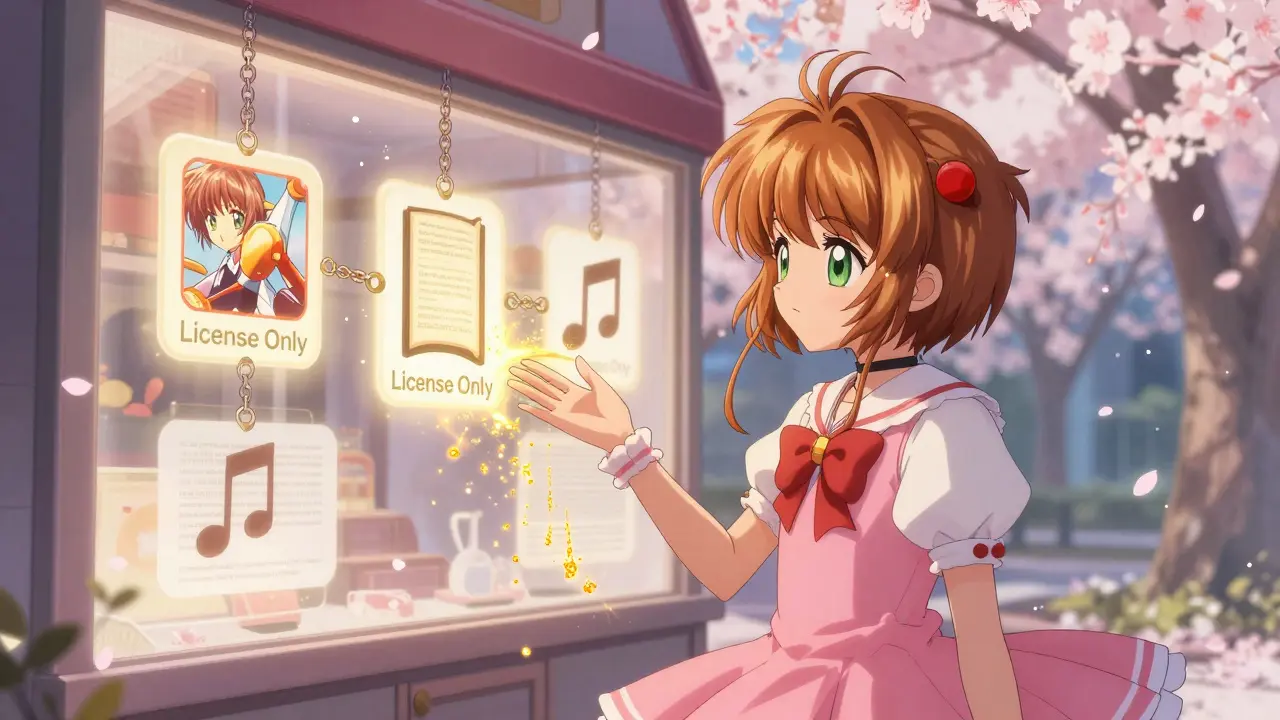
Digital Ownership Checker
Select a product type and click "Check Ownership Rights" to see what you actually own.
When you buy a game on Steam, an ebook on Amazon, or a song on iTunes, do you own it? Most people think yes. But the truth is, you’re probably just renting it-and the company can take it away anytime. This isn’t a glitch. It’s the system. Digital ownership rights and licensing have rewritten the rules of ownership without most of us even noticing.
What You Think You Own vs. What You Actually Have
You paid $60 for Cyberpunk 2077. You downloaded it. You played it for 100 hours. You even bought the DLCs. It’s yours, right? Not according to Steam’s Subscriber Agreement. It says you get a limited, revocable, non-exclusive, non-transferable, personal license. That means you don’t own the game. You’re allowed to use it-until they say otherwise. This isn’t just about games. It’s everywhere. Your Spotify playlist? Licensed. Your Kindle books? Licensed. Your NFTs? Also licensed-unless the smart contract says otherwise. The moment you click "Buy," you’re signing away the right to resell, lend, gift, or even keep it if the platform shuts down. A 2023 Morgan Lewis survey found 78% of digital buyers believe they own what they pay for. Only 12% understood they were getting a license. That’s not ignorance-it’s design. Companies hide the fine print behind terms so long and dense, most people skip them entirely.The Legal Backbone: Copyright Law vs. Consumer Expectations
The legal system behind this mess is copyright law-specifically, Title 17 of the U.S. Code. It gives creators exclusive rights to copy, distribute, adapt, and publicly perform their work. That’s fine for protecting artists. But it was never meant to replace ownership. Yet courts have let companies turn licenses into permanent restrictions. The 2010 Vernor v. Autodesk case set the tone. A man bought used AutoCAD software off eBay. Autodesk sued, claiming he didn’t own it-he was just a licensee. The court agreed. That decision became the blueprint. If a company calls it a license, and the terms are restrictive enough, courts will enforce it-even if the user paid like they were buying a physical product. Even the First Sale Doctrine, which lets you resell a book or CD you bought, doesn’t apply to digital goods. In 2018, Capitol Records sued ReDigi, a company that let people resell their digital music files. The court ruled: once you download a file, you’ve made a copy. That’s infringement. So no resale. No lending. No inheritance. Meanwhile, physical goods still follow old rules. You can sell your vinyl record. You can give your DVD to a friend. You can leave your collection to your kid. Not so with digital. Your entire music library? Gone if your Apple ID gets banned. Your game collection? Vanished if Steam goes offline. Your NFT? Worthless if the server hosting the image dies.California’s Breakthrough: AB 2426 and the New Transparency Rule
Things started changing on January 1, 2024, when California’s AB 2426 went into effect. It’s the first U.S. law that forces companies to be honest. Before you buy any digital good-games, ebooks, apps, music-you must see a clear, conspicuous notice that says: "This is a license, not ownership." It’s not enough to bury it in the terms. The law requires it to be right next to the purchase button. It must stand out-different color, bigger font, bold. And you must be able to click through to the full license terms before paying. Steam updated its store in February 2024 to comply. Now, above the "Add to Cart" button, you see a yellow banner: "License Only. No Ownership Rights. View Terms." Amazon and Apple have followed suit. It’s not perfect, but it’s a start. This law doesn’t give you ownership. But it stops companies from lying. And that’s huge. Because when people realize they’re not buying-they’re renting-they start asking: why?
Blockchain Offers a Different Path
Blockchain technology is the only real alternative to the current licensing trap. Unlike traditional platforms that control access through servers and passwords, blockchain lets you own the key. Your NFT isn’t just a token-it’s a digital deed. If the smart contract says you own it, then you own it. Take Bored Ape Yacht Club. When you buy one, you don’t just get a JPEG. You get commercial rights. You can make merch. You can license it. You can sell it. The blockchain holds the proof. No company can take it away unless they break the entire Ethereum network. Ethereum Name Service (ENS) lets you buy a .eth domain. Unlike regular domains that expire yearly, ENS domains are yours forever-unless you sell them. Over 5.2 million have been registered since launch. People aren’t just buying domains. They’re buying permanence. Blockchain also enables fractional ownership. You can own 10% of a digital artwork and earn royalties every time it’s resold. That’s something traditional licensing can’t do. And unlike DRM systems that lock you into a platform, blockchain works across apps, wallets, and marketplaces. But here’s the catch: most NFTs still come with weak licenses. A lot of "own your NFT" projects still restrict commercial use. You own the token, but not the rights. That’s why legal clarity matters. Smart contracts need to spell out exactly what you can and can’t do.Why This Matters Beyond Games and Music
This isn’t just about entertainment. It’s about identity, memory, and control. Imagine your wedding photos are stored as digital files you bought from a photographer. You paid $500. You downloaded them. Then the studio goes bankrupt. The cloud service shuts down. Your photos vanish. No backup. No recourse. That’s not hypothetical. It’s happened. Or think about your digital will. Can you leave your Steam library to your child? No. Can you transfer your Kindle books? No. Can you give your Spotify account to your spouse? No. Your digital life is locked behind corporate terms. Even businesses are affected. 68% of Fortune 500 companies use software licensing, not ownership. Why? Because it’s easier to manage updates and track usage. But what happens when a vendor goes out of business? Companies lose access to critical tools. No license. No software. No work.
The Consumer Backlash and What’s Next
People are fed up. Reddit threads like r/truegaming have thousands of posts from users who lost access to games after account bans. Trustpilot ratings for digital platforms average 2.3 out of 5, mostly because of hidden licensing terms. The FTC received over 12,000 digital ownership complaints in 2023. That’s up 214% since 2020. The Electronic Frontier Foundation just sued Apple, arguing App Store licensing rules are anticompetitive. The Copyright Office announced in September 2024 it’s reopening the debate on digital first sale rights. Public hearings are scheduled for early 2025. The European Union is going further than California. Their new Digital Markets, Competition and Consumers Bill demands that digital goods come with the same rights as physical ones-including resale. If passed, platforms might be forced to build marketplaces for used digital games and ebooks. Gartner predicts a "hybrid ownership" model by 2027, where blockchain verifies your right to resell digital goods. But the Motion Picture Association warns that could cut studio revenues by 31%. That’s the tension: creators want control. Consumers want freedom.What You Can Do Right Now
1. Read the fine print before you buy. Look for the words "license," "non-transferable," or "revocable." If you see them, you don’t own it. 2. Use blockchain-based platforms when possible. If you care about permanence, buy NFTs with clear, on-chain rights. Avoid platforms that rely on centralized servers. 3. Back up your digital assets. Download files you "buy" and store them locally. If you own a digital book, save a PDF. If you bought music, rip it to MP3. Don’t rely on cloud storage. 4. Support laws like AB 2426. Push for transparency in your state. If companies have to be honest, they’ll have to change. 5. Ask: "Can I sell this? Can I leave it to someone?" If the answer is no, you’re not buying-you’re renting.Final Thought: Ownership Isn’t Dead-It’s Just Hidden
The world is digital now. We don’t need physical discs or paper books. But we still need to own what we pay for. Licensing isn’t evil. It’s useful for managing updates and protecting creators. But when it’s used to trick people into thinking they own something they don’t-it’s deception. The future of digital ownership isn’t about more DRM. It’s about clearer contracts. Better laws. And technology that puts control back in your hands-not a corporation’s server.Don’t just buy digital things. Understand what you’re really getting.