El Salvador Bitcoin: How a Nation Bet Everything on Crypto
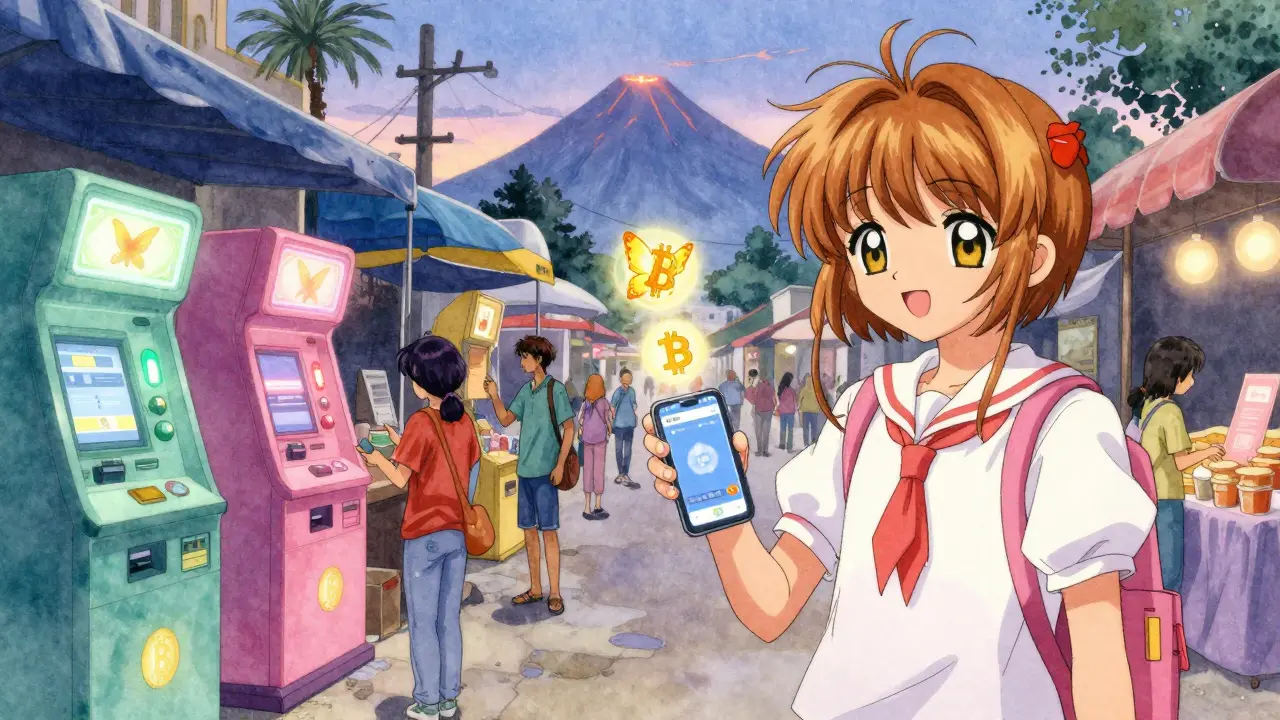
When El Salvador Bitcoin, the first national adoption of Bitcoin as legal tender. Also known as Bitcoin legal tender, it triggered a global debate on money, sovereignty, and digital finance. In September 2021, El Salvador didn’t just experiment with crypto—it rewrote its economic rules. No other country has made Bitcoin official currency alongside the U.S. dollar. This wasn’t a side project. It was a full-state overhaul: ATMs, wallets, tax payments, even street vendors were expected to accept it. The goal? Cut remittance fees, attract investment, and break free from traditional banking control.
But it wasn’t just about Bitcoin adoption, the process of integrating Bitcoin into everyday economic activity. Also known as crypto integration, it involved massive public spending, infrastructure rollout, and a controversial national wallet app called Chivo. The government bought over $100 million in Bitcoin, often at peaks. It offered $30 in Bitcoin to every citizen who signed up. Schools taught crypto basics. The World Bank refused to help fund it. Critics called it a gamble. Supporters called it liberation. And while adoption among locals remained uneven—many still preferred dollars—the move forced the world to take crypto seriously as a policy tool, not just an investment.
What followed exposed the real challenges: price swings wiped out savings, power outages broke Chivo wallets, and protests erupted over forced use. Yet, Bitcoin mining using volcanic heat became a real thing. The crypto nation, a country that fully embraces cryptocurrency as part of its economic identity. Also known as crypto state, El Salvador became a living lab for what happens when a government bets its currency on blockchain. Other nations watched. Some copied bits of it. None matched its scale. Today, Bitcoin isn’t just a token in El Salvador—it’s a political symbol, a failed experiment, and a proof of concept, all at once.
Below, you’ll find real stories and breakdowns of what actually happened—from the people using it daily to the scams that popped up in its wake. No fluff. Just what worked, what blew up, and what the rest of the world can learn from it.
- Ruth Bastedo
- 4-12-25
- Cryptocurrency
El Salvador's Bitcoin Adoption Strategy: What Really Happened and Where It Stands in 2025
El Salvador made Bitcoin legal tender in 2021 but dropped it in 2025 after IMF pressure. Despite this, the country still holds over 6,100 BTC and is building a crypto-friendly economy without forcing adoption.
Details