Bitcoin Volatility Impact Calculator
Calculate Bitcoin Value Changes
Estimated Value Changes
Current BTC Price:
$27,000
Your Amount:
Estimated Value Range:
Based on historical volatility data from El Salvador's experience. Bitcoin has experienced 50%+ price swings in short periods, similar to what the government faced when their reserves dropped from $47,000 to $20,000 per BTC.
El Salvador didn’t just try Bitcoin-it made it legal money. In September 2021, it became the first country in the world to give Bitcoin the same status as the U.S. dollar. No other nation had gone that far. The goal? Help the 70% of Salvadorans without bank accounts, slash remittance fees, and break free from U.S. dollar dependence. But by January 2025, the government quietly dropped Bitcoin’s legal tender status. So what went wrong? And why are they still buying more Bitcoin?
Why El Salvador Chose Bitcoin
El Salvador’s economy has been tied to the U.S. dollar since 2001. That meant no control over interest rates, no ability to print money, and no buffer during crises. Remittances-money sent home by Salvadorans abroad-made up nearly 20% of GDP. Sending $300 to family in San Miguel could cost $15 or more in fees. Bitcoin promised to cut that cost to pennies. President Nayib Bukele didn’t just want financial reform. He wanted sovereignty. He saw Bitcoin as a way to bypass the IMF, World Bank, and traditional banking systems that had long dictated economic policy. The government launched the Chivo Wallet, gave $30 in free Bitcoin to every citizen, and installed Bitcoin ATMs across the country. Businesses were told to accept it. Schools ran Bitcoin lessons. The message was clear: this wasn’t an experiment. It was a revolution.The Reality of Adoption
By 2025, 82% of small businesses accepted Bitcoin. That sounds impressive. But here’s the catch: only 1% of remittances actually used it. Most people got paid in dollars. Most bills were paid in dollars. Even when businesses accepted Bitcoin, they immediately converted it to dollars to avoid price swings. The Chivo Wallet? It had over 4 million downloads. But usage? Low. Many users couldn’t figure out how to send or receive Bitcoin. Others didn’t trust it. Some just deleted the app after the free $30 ran out. The government claimed it was a success because more people had Bitcoin wallets than bank accounts by 2022. But having a wallet isn’t the same as using money. One vendor in Santa Ana told a reporter: “I take Bitcoin because the law says I have to. But I convert it right away. I don’t want to wake up tomorrow and find my lunch money lost half its value.” That’s the real story.The Volatility Problem
Bitcoin’s price swings weren’t just inconvenient-they were dangerous. In 2021, the government bought Bitcoin at $47,000. By 2022, it dropped below $20,000. The treasury lost hundreds of millions. By March 2025, El Salvador held 6,102 Bitcoin, worth around $500 million. But that’s still a gamble. One big drop, and the country’s reserve fund could vanish overnight. Unlike a central bank that can raise interest rates or print money, El Salvador had no tools to stabilize Bitcoin. No safety net. No emergency controls. The government tried to manage the risk by buying more during dips, but that’s like trying to fix a leaky boat by adding more water.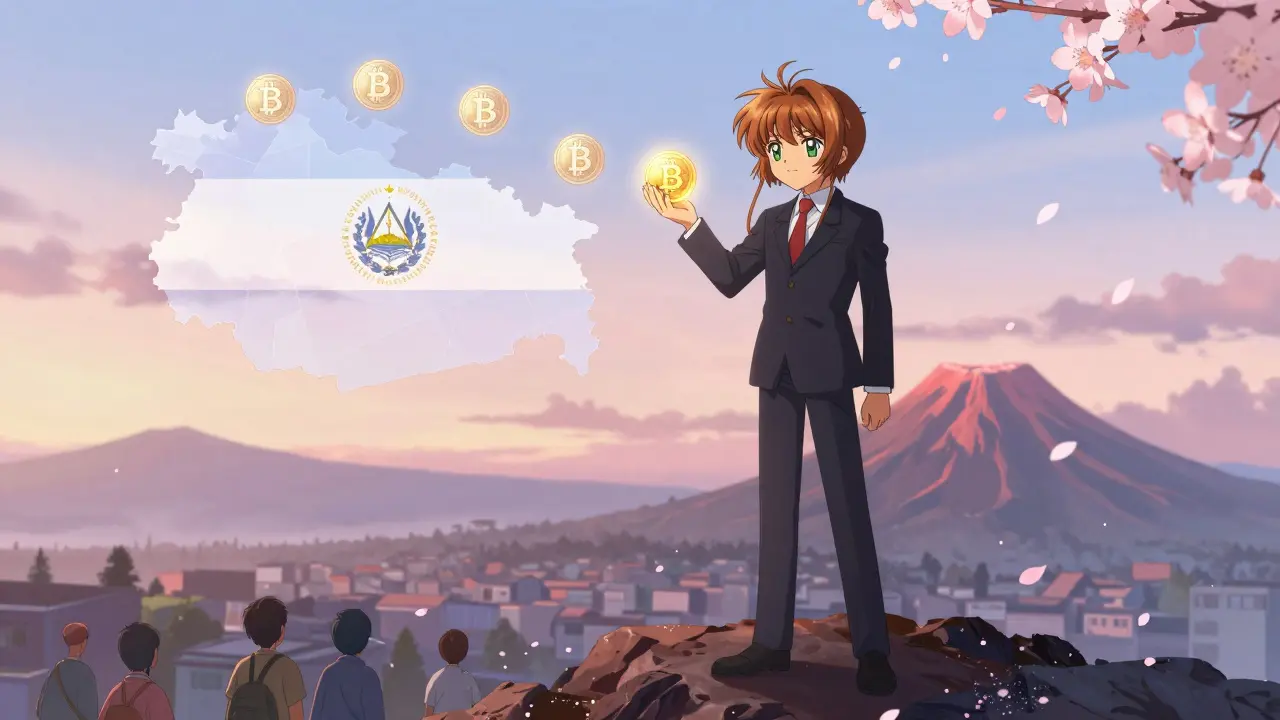
International Pressure and the IMF
The International Monetary Fund never liked it. They called Bitcoin’s legal tender status “a threat to financial stability.” In 2023, they offered El Salvador a $1.4 billion loan-but only if they scrapped Bitcoin as legal tender. The country had no choice. It was drowning in debt. The IMF’s conditions were clear: end mandatory Bitcoin acceptance, fix fiscal controls, and stop risking public funds on crypto. In January 2025, El Salvador complied. Bitcoin was no longer legal tender. Businesses no longer had to accept it. The law changed. But here’s the twist: the government didn’t sell a single Bitcoin. They kept buying.What Changed After Legal Tender Was Dropped
The shift wasn’t a surrender. It was a pivot. The state stopped forcing people to use Bitcoin. But it kept building the infrastructure. Bitcoin ATMs stayed. Chivo Wallet kept running. The Strategic Bitcoin Reserve Fund kept growing. In March 2025, they bought 8 more coins. They also hosted PLANB Forum 2025-the biggest crypto event in Central America. Investors, developers, and miners showed up. The message? El Salvador still believes in Bitcoin. Just not as national currency. Now, the country is trying something new: becoming a crypto hub. They’re offering tax breaks to blockchain startups. Planning a Bitcoin City powered by geothermal energy from volcanoes. Still ambitious. Still risky. But no longer trying to turn every Salvadoran into a Bitcoin trader.