
Imagine a country deciding that a volatile digital coin is just as good as the US dollar for paying taxes. That was the bold experiment El Salvador launched in September 2021. President Nayib Bukele pushed through legislation making Bitcoin a decentralized cryptocurrency adopted as legal tender alongside the US dollar official currency. The goal? To bring banking to the unbanked, cut remittance fees, and attract foreign investment. Fast forward to May 2025, and the story has a very different ending. The government stripped Bitcoin of its legal tender status to secure a lifeline from international lenders. This isn't just a crypto story; it’s a masterclass in what happens when political ambition clashes with economic reality.
The Promise vs. The Reality
When El Salvador first announced the move, the narrative was simple and seductive. Remittances make up a huge chunk of the Salvadoran economy-about 20% of GDP. Sending money home via traditional banks or services like Western Union costs around 7%. The idea was that using Bitcoin’s Lightning Network could slash those fees to near zero. Plus, millions of Salvadorans didn’t have bank accounts. A digital wallet seemed like a quick fix for financial inclusion.
But reality hit hard. By 2024, reports showed that 92% of Salvadorans did not use Bitcoin for daily transactions. Most people stuck to cash or dollars because they trusted them. Bitcoin’s price swings made it a terrible tool for buying groceries. If the price drops 10% overnight, your wages buy less food. Merchants faced similar headaches. They had to deal with technical glitches, security fears, and the hassle of converting crypto back to dollars to pay their own bills. The promise of easy money never materialized for the average person.
The Chivo Wallet: A Technical Nightmare
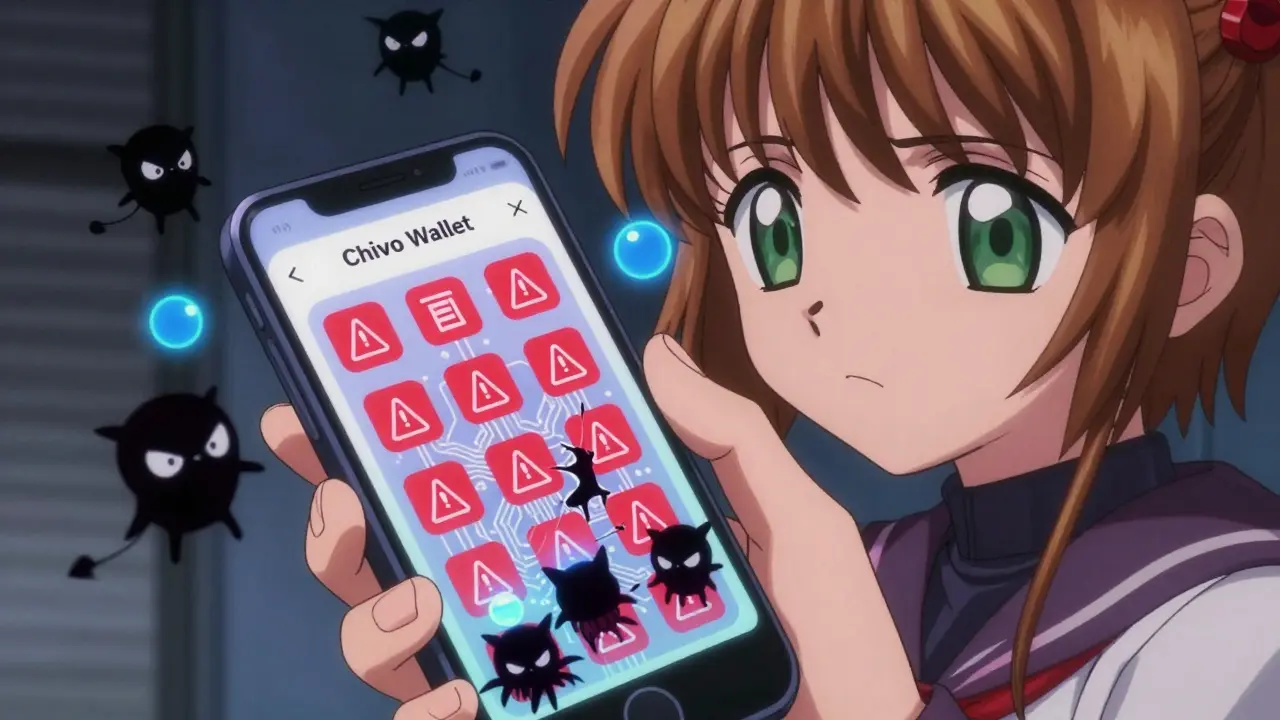
To make this work, the government built the Chivo Wallet a government-sponsored mobile application designed to facilitate Bitcoin transactions for citizens. On paper, it looked great. In practice, it was a disaster zone. When it launched, the app crashed repeatedly. Users reported being unable to withdraw funds. Worse, hackers targeted the system. Thousands of accounts were drained of their Bitcoin, leaving ordinary citizens with nothing. Trust, once broken, is nearly impossible to rebuild.
The Chivo wallet became a symbol of forced adoption rather than user-friendly innovation. People weren’t signing up because they wanted to; they were signing up because the government offered incentives or required it. This created a fragile ecosystem. When the incentives stopped and the bugs persisted, users abandoned the platform. The technical debt piled up, and maintenance costs soared, draining public resources without delivering value.
| Feature | US Dollar / Cash | Bitcoin (Legal Tender Era) |
|---|---|---|
| User Adoption | Near universal | <8% of population |
| Price Stability | High | Low (High Volatility) |
| Merchant Acceptance | Mandatory/Standard | Very Low (Voluntary after 2025) |
| Transaction Cost | Zero (Cash) / Low (Bank) | Variable (Lightning Network fees) |
| Security Incidents | Physical theft risk | Hacking, App crashes, Lost keys |
The IMF Intervention and Policy Reversal
The turning point came in late 2024. El Salvador needed money. The country was facing high debt levels and limited access to global credit markets. The International Monetary Fund (IMF) stepped in with a $1.4 billion loan, but there was a catch. The IMF demanded that El Salvador remove Bitcoin’s legal tender status. They argued that the policy created macroeconomic risks, lacked transparency, and failed to deliver on its promises.
In January 2025, the Legislative Assembly voted 55-2 to change the law. The word “currency” was removed from the statute. By May 1, 2025, Bitcoin was no longer legal tender. Businesses were no longer forced to accept it. Taxes couldn’t be paid in Bitcoin anymore. This wasn’t a voluntary pivot; it was a survival move. As economist Rafael Lemus noted, the government tried to force Bitcoin into existence, and it simply didn’t work. The reversal highlighted the limits of national sovereignty when dealing with global financial institutions.

What Happened to the Bitcoin Reserves?
One of the most controversial aspects of the experiment was how the government bought Bitcoin. Instead of diversifying, El Salvador accumulated coins at high prices, often during market peaks. By March 2025, estimates suggested the country held between 688 and 6,102 Bitcoin, worth roughly $500 million. Some reports claimed half of this was profit, while others pointed out that the government hadn’t disclosed exact figures clearly.
This lack of transparency fueled skepticism. Critics argued that the state was gambling taxpayer money on a speculative asset. The IMF agreement explicitly forbade further purchases. While some rumors suggested secret buying continued, an IMF report in July 2025 stated that no new Bitcoin had been acquired since the deal. The reserves remain a risky part of the national balance sheet, subject to the same wild swings that hurt everyday users.
Lessons for Other Nations
So, what can other countries learn from this? First, you can’t mandate technology. People adopt tools that solve problems, not ones that create them. Forced adoption breeds resentment and resistance. Second, volatility is a killer for currency. Money needs to be stable. If your paycheck loses value before you spend it, the system fails. Third, infrastructure matters. Without reliable internet, smartphones, and financial literacy, digital currency projects will struggle in developing economies.
El Salvador’s experiment served as a cautionary tale. It showed that even with strong political will, ignoring basic economic principles leads to failure. Today, Bitcoin remains legal for private transactions in El Salvador, but the dream of a Bitcoin-powered nation has faded. The focus has shifted back to stabilizing the economy and rebuilding trust with international partners. For the rest of the world, the message is clear: innovation is good, but realism is better.
Is Bitcoin still legal tender in El Salvador in 2026?
No. As of May 1, 2025, Bitcoin is no longer legal tender in El Salvador. The government removed its mandatory status to comply with an IMF loan agreement. However, Bitcoin remains legal for voluntary private transactions, meaning individuals can still buy, sell, and hold it if they choose to.
Why did the IMF oppose El Salvador's Bitcoin policy?
The IMF opposed the policy due to concerns over macroeconomic stability, lack of transparency in government Bitcoin holdings, and the potential for increased debt risks. They argued that Bitcoin's volatility made it unsuitable as a reserve asset or primary currency, and that the policy hindered financial inclusion rather than helping it.
Did the Chivo wallet help the unbanked population?
Did the Chivo wallet help the unbanked population?
Reports indicate that the Chivo wallet did not significantly improve financial inclusion for the unbanked. Many users faced technical issues, security breaches, and confusion about how to use the app. Most Salvadorans preferred traditional cash or dollar-based banking methods, leading to low sustained usage rates.
How much Bitcoin does El Salvador currently hold?
Estimates vary, but by mid-2025, El Salvador was reported to hold between 688 and 6,102 Bitcoin, valued at approximately $500 million. The government has not provided fully transparent, real-time updates on these holdings, which has been a point of criticism from auditors and international bodies.
Can businesses refuse to accept Bitcoin now?
Yes. Since the removal of legal tender status in May 2025, businesses are no longer obligated to accept Bitcoin. They can choose whether or not to offer it as a payment method, but customers cannot force merchants to take it, nor can they use it to pay taxes or government fees.