Crypto Rug Pull Risk Checker
Check Your Crypto Project
Enter details about the project to identify potential rug pull risks
Risk Assessment
Red Flags Identified:
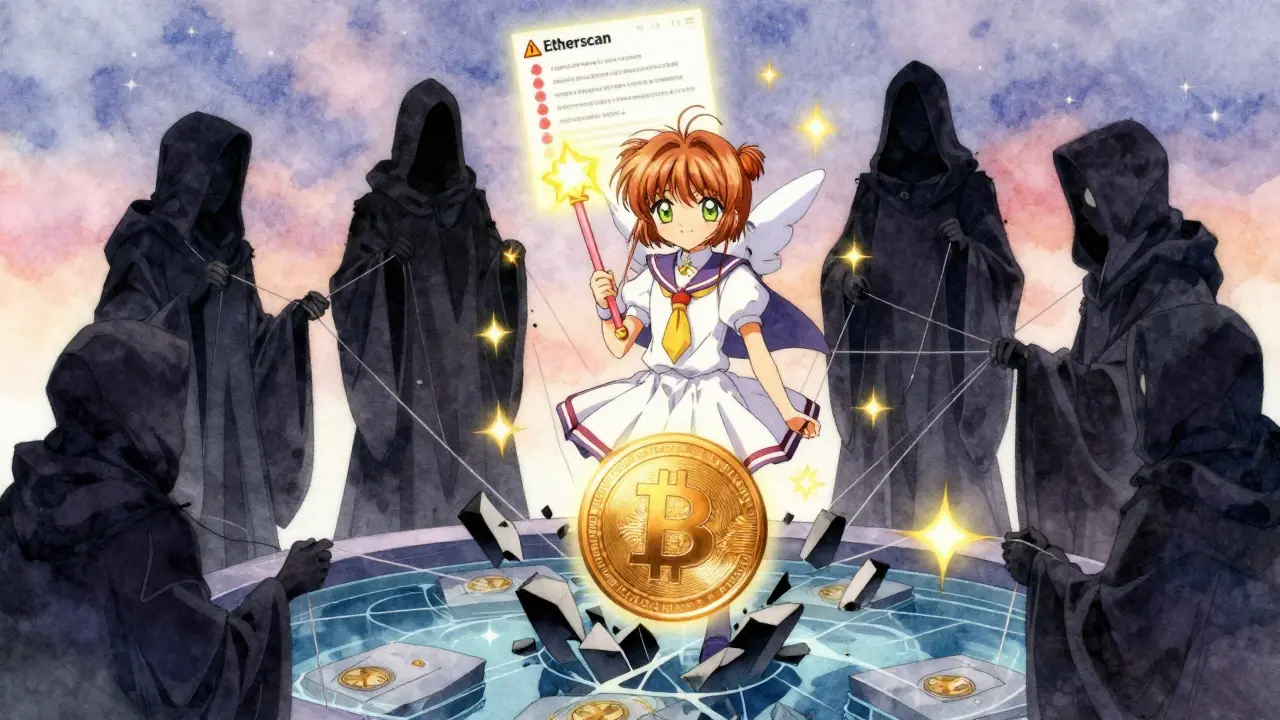
Over 300,000 scam tokens have been launched in crypto. More investors lost money to rug pulls than to the collapses of FTX, Celsius, and Voyager combined. In 2024 alone, scammers stole nearly $126 million through these schemes. And the worst part? Most of these scams are easy to spot-if you know what to look for.
Anonymous Teams Are a Major Warning Sign
If you can’t find the real names of the people behind a project, walk away. Legitimate teams publish LinkedIn profiles, GitHub contributions, or past project histories. Rug pulls are almost always run by anonymous developers who disappear the moment they get your money. There’s no reputation to protect, no legal consequences to fear. In crypto, privacy isn’t always a virtue-sometimes it’s a shield for fraud.
Price Spikes in Hours Are a Trap
A token that goes from $0 to 50x in 24 hours isn’t a miracle. It’s a pump. Scammers use bots to buy their own tokens, create fake trading volume, and push the price up fast. Then they wait for FOMO to kick in. New investors rush in, thinking they’ve found the next big thing. But once the price peaks, the team dumps their holdings. The token crashes. You’re left holding worthless tokens. Real projects grow slowly. If it’s too fast to be true, it probably is.
100X Returns? That’s Not a Promise-It’s a Red Flag
Anyone promising you 100x, 500x, or guaranteed profits is selling a fantasy. Crypto isn’t a lottery. Legitimate projects don’t need to make wild claims to attract investors. They build useful products. Rug pulls rely on greed. They use influencers to shout “GET IN NOW!” while hiding the fact that they own 80% of the supply. If the pitch sounds like a get-rich-quick scheme, it is one.
No Smart Contract Audit? Don’t Invest
Smart contracts are the code that runs crypto projects. If they’re rigged, your money is gone. Reputable projects pay firms like CertiK, PeckShield, or Trail of Bits to audit their code. These audits are public. You can read them. If a project has no audit-or worse, a fake one from a non-existent company-don’t touch it. Scammers avoid audits because their code is designed to trap you: it might let you buy tokens but not sell them, or let the team mint unlimited new ones. No audit = no safety net.
Team Holds Too Many Tokens
When a project’s founders control more than 20% of the total supply, they can crash the price anytime. That’s not a feature-it’s a weapon. Legitimate teams lock their tokens for months or years. They use vesting schedules so they can’t dump all at once. If a project doesn’t lock its team tokens, or if the lockup period is just 30 days, that’s a sign they’re planning to leave. The most secure projects even renounce ownership entirely, giving up control so no one can manipulate the token later.
Listing on Uniswap or PancakeSwap? Proceed With Extreme Caution
Decentralized exchanges like Uniswap and PancakeSwap let anyone list a token in minutes. No ID checks. No review. No oversight. That’s great for innovation-but terrible for safety. Rug pulls thrive here because scammers can create a token, add liquidity, promote it, and then pull the liquidity in hours. Centralized exchanges like Binance or Coinbase have teams that vet projects. DEXs don’t. If a project is only on a DEX and has no other credibility, treat it like a high-risk gamble-not an investment.
Fake Websites and Bot-Filled Social Media
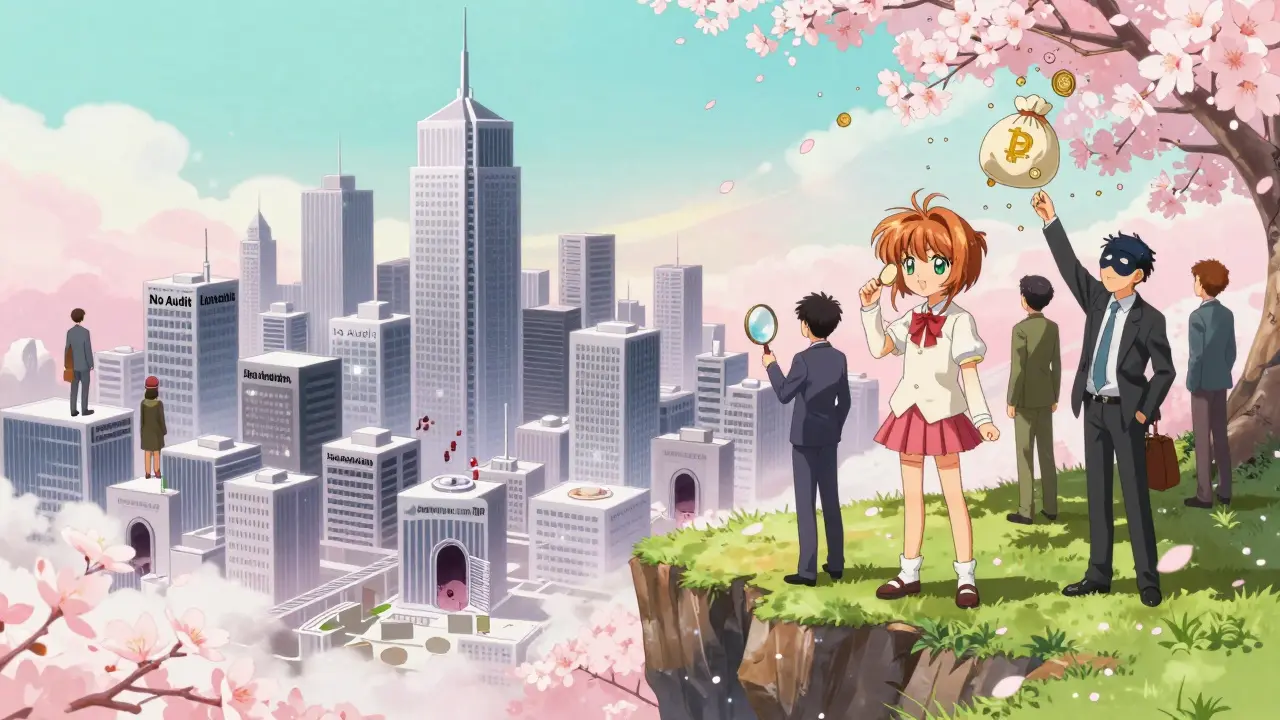
Scammers spend money on slick websites, whitepapers, and Twitter threads. But look closer. Is the whitepaper copied from another project? Are the team photos stock images? Do the Twitter followers all have the same profile pictures? Are the comments just “TO THE MOON!” and rocket emojis? That’s not a community-it’s a bot farm. Real projects have real conversations. They answer hard questions. Fake ones silence critics, ban skeptics, and only post hype.
Influencers Who Don’t Disclose Payment
You see a popular crypto influencer promoting a token. They say it’s “the next big thing.” But did they disclose they got paid $50,000 to do it? If not, that’s a violation of advertising rules-and a major red flag. Some influencers don’t even know they’re being used. Scammers send them fake press kits and pretend to be a real team. Others are in on it. Either way, if an influencer isn’t transparent about being paid, their endorsement means nothing.
No Locked Liquidity
Liquidity is the money in the trading pool that lets you buy and sell tokens. If the team can pull it out anytime, your tokens become useless. Look for liquidity locked on platforms like Unicrypt or Team Finance. These services lock the funds for a set time-say, one year-and show a public timer. If the project doesn’t have a locked liquidity badge, or if the lock is only for a week, they can run at any moment. No lock = no protection.
Team Disappears After Launch
Before the launch, the team is everywhere. Daily Discord updates. Twitter threads. AMA sessions. Then, after the token pumps and they’ve collected your money? Silence. Discord goes dark. Twitter account deleted. Website says “under maintenance.” That’s the classic rug pull pattern. Real teams keep building. Scammers vanish.
Smart Contract Code Is Hidden or Obfuscated
Open-source code is a sign of trust. If a project’s smart contract isn’t verified on Etherscan or BscScan, or if the code is obfuscated (intentionally made hard to read), that’s a huge red flag. Scammers hide code so you can’t see if it has functions like “pause trading,” “blacklist wallets,” or “mint unlimited tokens.” If you can’t read the code, you can’t trust it. Always check the contract address on a blockchain explorer before investing.
Zero Real Utility
What does this token actually do? If the answer is “it’s a yield farm” or “it’s for staking,” but there’s no real product, no app, no users-then it’s a speculation play. Real crypto projects solve problems. They have users paying for services. Rug pulls have no purpose beyond making the team rich. If the team can’t explain why their token matters beyond price growth, it’s not a project-it’s a Ponzi.
Community Is All Hype, No Substance
Check the project’s Telegram or Discord. Are people talking about the tech? The roadmap? The code? Or are they just posting memes and asking when the next pump will happen? Real communities debate, ask questions, and help each other understand the project. Fake ones are filled with paid shills who repeat the same slogans and shut down anyone who asks for proof. If you can’t find a single technical discussion, the community is manufactured.
No Legal Structure or Disclaimers
Legitimate projects have terms of service, privacy policies, and legal disclaimers. They might even register as a company. Rug pulls have none of this. Why? Because they don’t plan to stick around long enough to be sued. If a project doesn’t tell you where it’s based or who’s legally responsible, assume they’re hiding from accountability.
Previous Rug Pulls? Same Team, New Name
Blockchain is public. You can trace wallet addresses. Many scammers run the same scheme multiple times. Look up the team’s past projects. Did any of them vanish after a few weeks? Are the same wallet addresses popping up? Are the whitepapers written in the same broken English? If so, this isn’t a new opportunity-it’s a repeat offender.
What to Do If You’ve Already Invested
If you bought into a project that’s now showing red flags, don’t panic-sell. That’s what the scammers want-you to dump your tokens at a loss so they can buy them cheap. Instead, check the contract on Etherscan. See if liquidity has been pulled. Look at the team’s social media. Are they still active? If the project is dead, accept the loss. Report it to blockchain analytics firms like Chainalysis or CipherTrace. And next time, do your homework before investing.
Can a rug pull happen on a centralized exchange?
It’s extremely rare. Centralized exchanges like Binance or Coinbase review projects before listing them. They check for legal compliance, team background, and code audits. Rug pulls almost always happen on decentralized exchanges where anyone can list a token in minutes with no oversight.
Are all anonymous teams scam artists?
No. Some legitimate projects, like Bitcoin, started anonymously. But those projects had transparent code, open-source development, and community-driven growth. The difference is in the actions, not just the name. If an anonymous team hides their code, refuses audits, and pushes unrealistic returns, it’s a scam. If they build openly and let the community verify everything, they might be legitimate.
How can I check if a smart contract is safe?
Go to Etherscan or BscScan, find the contract address, and check if it’s verified. Look for a published audit report from a known firm like CertiK. Avoid contracts with functions like “setFee,” “mint,” or “pause” that the owner can control. If the code is obfuscated or you can’t read it, don’t invest.
Is it safe to invest in a token with a locked liquidity period?
It’s safer-but not foolproof. A locked liquidity period means the team can’t pull funds immediately. But if the lock expires in 3 months and the team still holds most of the tokens, they can dump after the lock ends. Always combine liquidity locks with team token vesting and audits for real safety.
What’s the difference between a soft rug and a hard rug?
A hard rug pull happens fast-liquidity is removed, the website goes down, and the token crashes in hours. A soft rug pull is slower: the team stops updating, slowly sells their tokens, and lets the price decay over weeks or months. Both end the same way-you lose money. But soft rugs trick you into thinking the project is still alive.