
Remember when everyone thought music NFTs were just a quick cash grab? It’s been a few years since the hype peaked, and the dust has settled. We now know who actually made money and who got burned. If you’re an artist wondering if this is worth your time, or a fan curious about where your ETH went, looking at real music NFT success stories is the only way to separate signal from noise. The market didn’t disappear; it just got pickier.
The Big Wins: Who Made It Happen?
Let’s start with the obvious one: Kings of Leon. Their album "When You See Yourself" wasn't just a digital file. It was a hybrid beast. They sold over $2 million in NFTs by bundling limited-edition vinyl records with digital tokens. Why did this work? Because it bridged the gap between old-school collectors and new-wave crypto folks. Fans who hated blockchain still wanted the physical record, so they dipped their toes into Web3. This approach showed that utility-getting something tangible-is a stronger hook than pure speculation.
Then there’s Grimes. In early 2021, she sold digital art and music bundles for $6 million. But her lasting impact wasn’t the sale price; it was how she engaged her community. She didn’t just drop files; she created an ecosystem. Her project proved that established artists could leverage their existing fanbase without needing to explain what a wallet address is to every single buyer. She set the stage for high-value drops, but more importantly, she showed that scarcity works when tied to exclusive access.
And we can’t ignore 3LAU. He’s arguably the most successful electronic dance music (EDM) artist in the NFT space. His Ultraviolet collection generated over $17 million. But here’s the kicker: he didn’t stop at selling the initial tokens. He used those sales to fund his next album and gave token holders voting rights on creative decisions. This turned passive buyers into active stakeholders. It’s a classic case of turning customers into partners.
The Platforms That Powered These Hits
You can’t have success stories without the tools that enabled them. Three platforms stand out because they solved specific problems rather than trying to be everything to everyone.
| Platform | Primary Focus | Artist Revenue Share | Best For |
|---|---|---|---|
| Sound.xyz | Drops & Community Access | ~95% | Indie artists building loyal fanbases |
| Royal | Fractional Royalties | Varies by deal | Artists wanting fans to own master rights |
| OpenSea | General Marketplace | Depends on contract | High-volume, broad audience reach |
Sound.xyz became a favorite for indie artists because it kept things simple. It focused on the "drop" model-limited releases with clear perks. Artists like Snoop Dogg and Deadmau5 used it effectively because it felt less like a tech experiment and more like a modern version of buying a rare vinyl pressing. The platform’s interface minimized friction, which is crucial when your average fan isn’t comfortable with MetaMask.
Royal, founded by DJ A-Trak and JD Ross, took a different angle. They pioneered fractional ownership of master recordings. Remember Nas’s track "Montero"? Ten thousand fans collectively bought 50% ownership for $1 million. This wasn’t just about collecting art; it was about investing in income streams. It attracted a different kind of buyer-someone looking for yield, not just bragging rights. However, liquidity remains a challenge. Not all collections trade actively, so investors need patience.
OpenSea is the giant in the room. While it handles the most volume, its music-specific features are often criticized as clunky. It’s great for discovery if you already know what you’re looking for, but poor curation means many good projects get lost in the shuffle. Still, its sheer size means if you want maximum visibility, you probably need a presence there.
Why Some Projects Flopped Hard
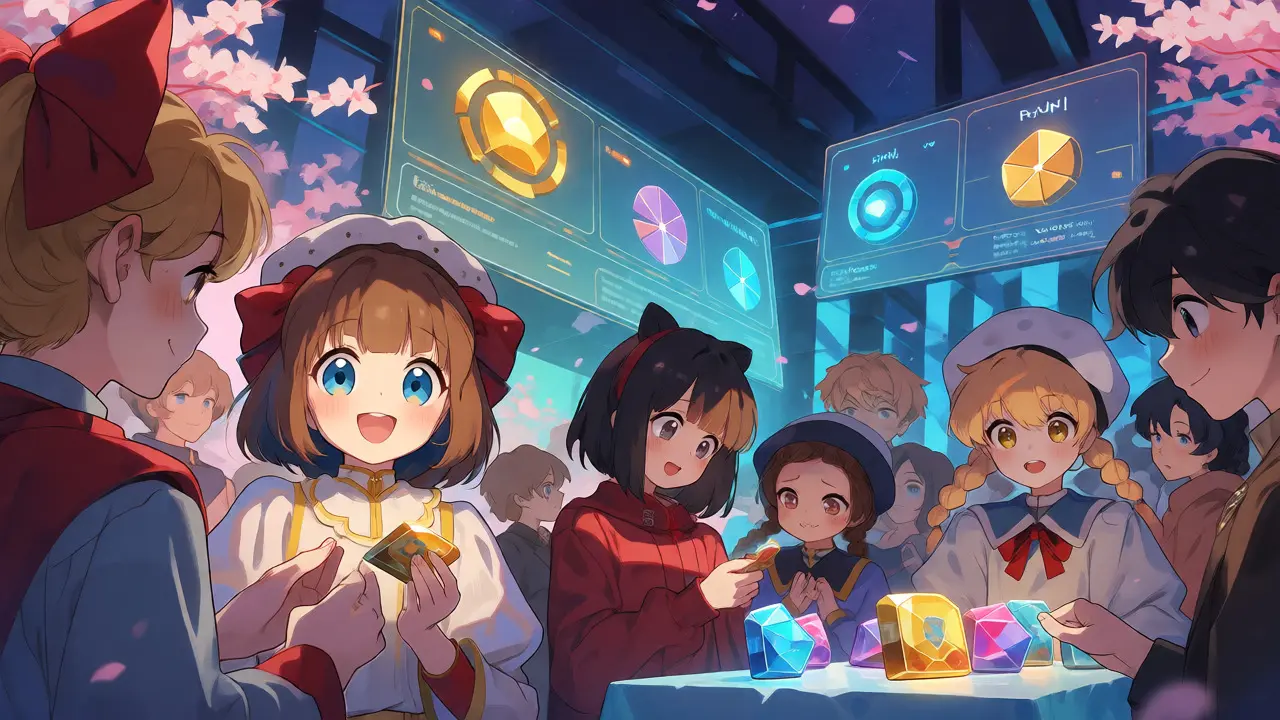
For every King of Leon, there are dozens of failures. Why? Mostly because of broken promises. One notable example is EDM producer Blanke’s 2022 project. It raised $450,000 but failed to deliver on most of its promised utilities. Only three out of twelve planned features materialized. The result? A 97% price depreciation. Buyers felt cheated, and the community evaporated.
This highlights a critical lesson: utility must be delivered, not just marketed. Many early projects treated NFTs as one-off revenue streams. They’d sell a token, take the money, and vanish. Without ongoing engagement or value delivery, the token becomes worthless. Data shows that 89% of collections saw significant price drops within six months if they lacked active community management. Speculators flee quickly when the hype dies.
Another failure mode is technical friction. Kings of Leon’s launch had issues too. Some fans spent hours trying to claim their "Golden Ticket" perks due to website crashes. Customer support delays exacerbated the frustration. If your tech stack breaks during peak demand, you lose trust instantly. Successful projects invest heavily in infrastructure before launching.
The Shift From Speculation To Utility
The biggest trend in recent years is the move away from pure speculation. Early buyers were often crypto traders flipping assets for profit. Today’s successful projects attract genuine fans who want experiences. Think ticket-gated concerts, backstage passes, or exclusive merchandise drops.
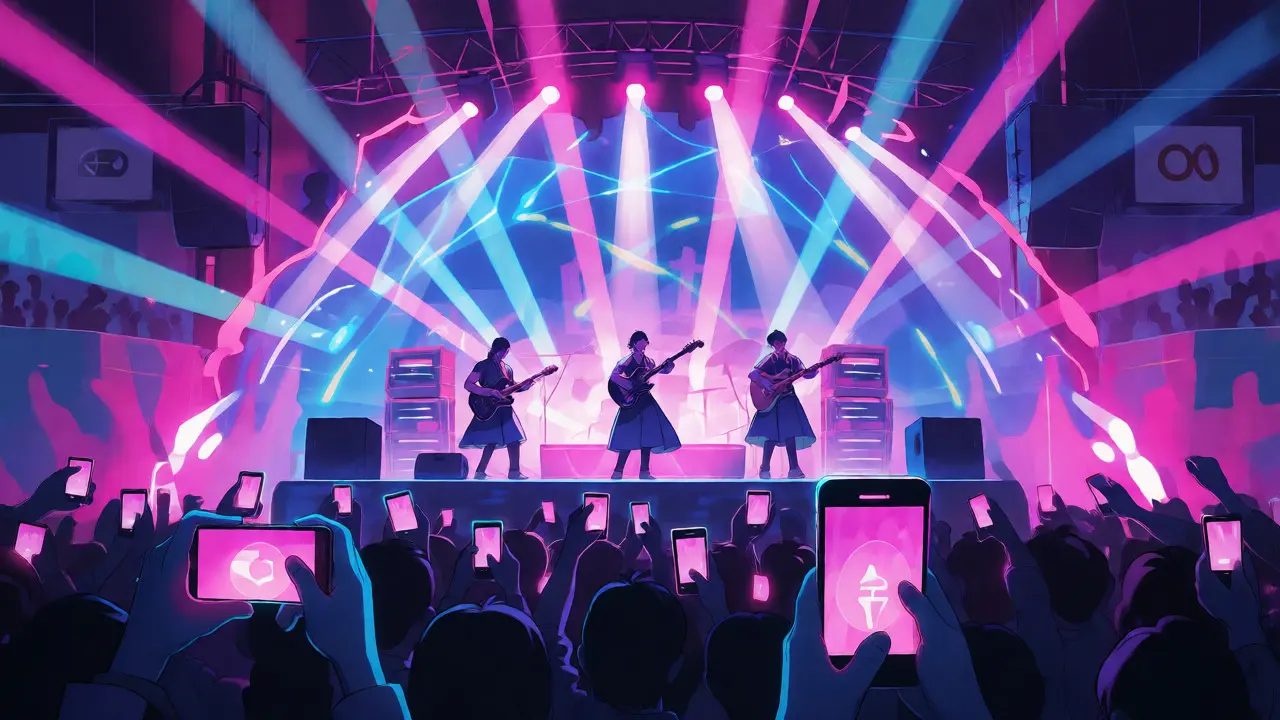
Take Tarot, a band that uses token-gated live performances. Ninety-two percent of their NFT holders attended at least one event. That’s massive engagement. These fans aren’t just holding a JPEG; they’re participating in a club. This shift aligns with broader industry trends. Deloitte predicts that by 2025, 65% of successful music NFT projects will incorporate real-world components. The digital token is just the key; the experience is the prize.
Artists earning meaningful revenue from NFTs spend significantly more time cultivating communities than promoting sales. It’s a long game. You’re not selling a product; you’re building a tribe. This requires consistent communication, transparency, and delivering on small promises before big ones.
What’s Next For Music NFTs?
We’re seeing integration with mainstream platforms. Spotify is testing NFT integrations for verified artists. Apple Music partnered with Sound.xyz for exclusive drops. YouTube launched verification initiatives. This signals legitimacy. When giants adopt these tools, it reduces stigma and lowers barriers for casual fans.
New features are emerging too. Collective ownership models allow fans to vote on artistic decisions. AI-generated personalized music NFTs, pioneered by Holly Herndon’s PROTO project, offer unique listening experiences tailored to individual preferences. These innovations keep the sector fresh and relevant.
However, caution is warranted. Regulatory scrutiny is increasing. The SEC has suggested that some royalty-sharing NFTs might qualify as securities. This could impose strict compliance requirements on platforms like Royal. Artists and investors need to stay informed about legal developments.
The market has matured. The wild west days of random JPEGs selling for millions are over. Now, success depends on strategy, execution, and genuine fan connection. If you’re considering entering this space, focus on building relationships, not just transactions. Deliver value consistently, and the financial rewards will follow.
Do I need to understand blockchain to buy a music NFT?
Not necessarily. Platforms like Sound.xyz and Royal have streamlined the process. You can often pay with credit cards, and the platform handles the wallet setup behind the scenes. However, understanding basic concepts like gas fees and wallets helps if you plan to trade on secondary markets.
Are music NFTs just expensive JPEGs?
No. While some are digital art, most successful music NFTs represent access or ownership. This could include streaming rights, concert tickets, exclusive merch, or even shares in song royalties. The value comes from the utility attached to the token, not just the image itself.
How do artists make money from music NFTs?
Artists earn through primary sales (initial purchase), secondary market royalties (when fans resell tokens), and exclusive experiences. Unlike streaming services that pay fractions of a cent per play, NFT sales provide upfront capital and ongoing commissions, often ranging from 5-10% on resales.
Is it safe to invest in music NFTs?
It carries risk. Prices are volatile, and liquidity can be low. Smart contract bugs or platform hacks are also possible. Always research the artist’s track record and the platform’s security audits. Never invest more than you can afford to lose.
Can any artist succeed with NFTs?
Yes, but it requires effort. Indie artists with dedicated niche audiences often do better than major label stars who rely on passive streaming numbers. Success depends on engaging directly with fans and offering unique value propositions that traditional channels can’t match.